UFC–Paramount $7.7B Media Deal: How Broadcast Changes Reshape Betting Markets
 Available in US
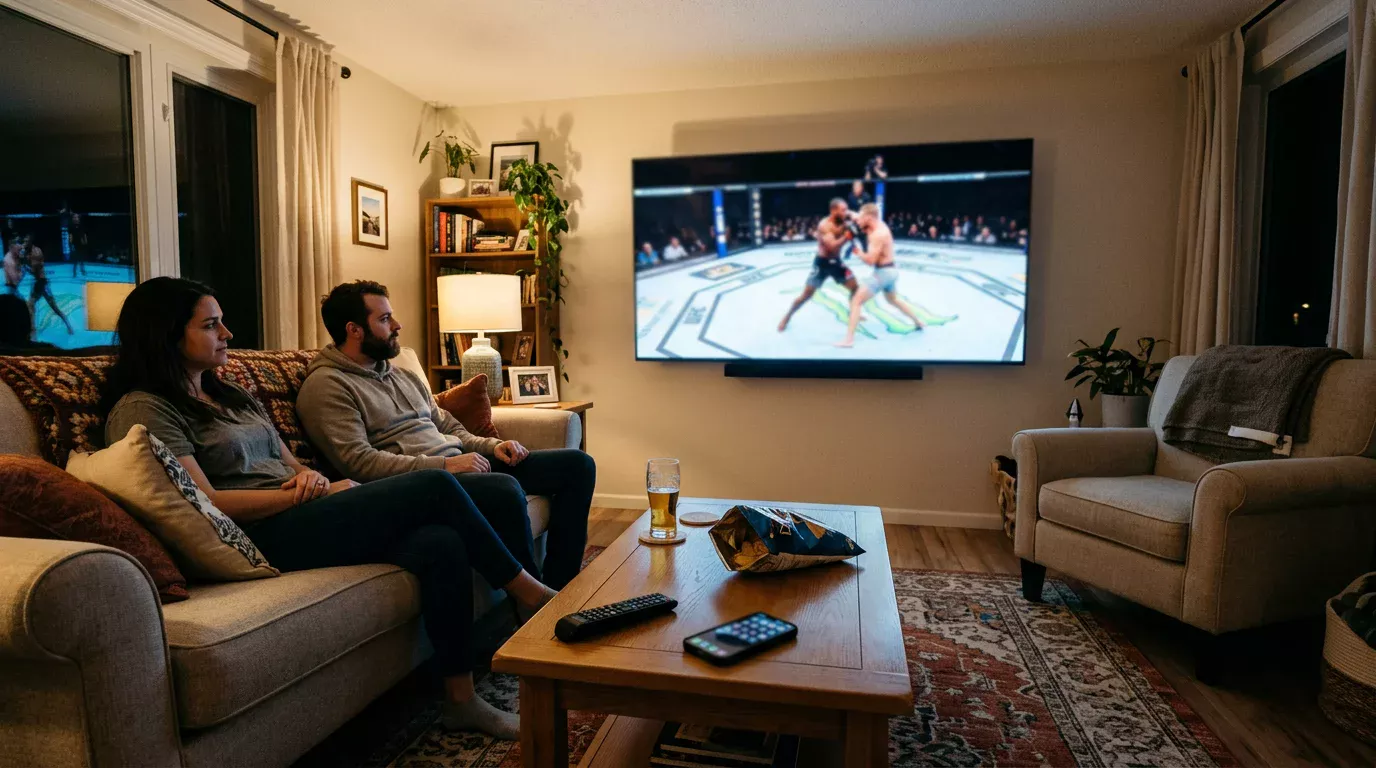
- A $7.7 Billion Media Deal Doesn’t Just Change How You Watch UFC — It Changes How You Bet on It
- Deal Structure: 7 Years, CBS Distribution, and Exit from PPV
- Viewership Surge: UFC 326 on CBS and Record Ratings
- More Viewers, More Bettors: The Volume Cascade Effect
- What the Paramount Deal Means for UK UFC Viewers and Bettors
- Frequently Asked Questions
A $7.7 Billion Media Deal Doesn’t Just Change How You Watch UFC — It Changes How You Bet on It
When I first heard the numbers on the Paramount deal, my immediate thought wasn’t about production values or broadcast schedules. It was about liquidity. A seven-year, $7.7 billion media rights agreement signed in August 2025 moved UFC from behind a paywall to the most-watched free-to-air network in the US. That single change — making UFC accessible to millions of casual viewers who never would have paid for a pay-per-view — fundamentally alters the betting ecosystem around the sport.
More viewers means more bettors. More bettors means deeper markets. Deeper markets mean better prices for those of us who’ve been doing this long enough to know where the value hides. The Paramount deal isn’t a media story — it’s a betting story, and this is what it means for UK punters.
See also: head to betting on ufc fights for all UFC wagering guides.
Deal Structure: 7 Years, CBS Distribution, and Exit from PPV
The contract spans seven years and places UFC events on CBS and Paramount+ as the primary distribution channels in the US. The most consequential element for betting markets is the transition away from pay-per-view as the dominant model for numbered events. Previously, major UFC cards required a $75-80 purchase, limiting the live audience to committed fans. On CBS, those same events reach the full network television audience at no additional cost.
The $7.7 billion figure reflects both the broadcast rights and the expected advertising revenue from that expanded audience. For UFC as a business, it’s a bet on volume over exclusivity — more eyeballs at lower per-viewer revenue rather than fewer eyeballs at premium pricing. For betting markets, the volume side of that equation is what matters most, because betting liquidity scales with viewership in a nearly linear relationship.
Viewership Surge: UFC 326 on CBS and Record Ratings
UFC 326, broadcast on CBS, drew 2.47 million viewers — the strongest linear television audience for a UFC event in a decade. That number, impressive on its own, is even more significant as a leading indicator. Early Paramount-era events represent the baseline, not the ceiling. As CBS integrates UFC more deeply into its sports programming schedule and cross-promotes events during NFL, college basketball, and other high-viewership properties, the audience should continue to grow.
The viewership breakdown matters for betting analysis. Network television audiences skew older and more casual than the PPV audience, which was predominantly hardcore fans aged 18-34. That casual influx changes the composition of the betting public — more money from bettors who wager on name recognition and narrative rather than statistical analysis. In the short term, this makes lines less efficient and creates more opportunities for informed bettors. In the long term, as the market matures, the efficiency gap will narrow.
More Viewers, More Bettors: The Volume Cascade Effect
UFC claims 700 million fans globally and over 330 million social media followers. The Paramount deal converts a portion of that passive fandom into active viewership, and a portion of that active viewership into active betting. The cascade works through exposure: a viewer who watches a UFC main event on CBS during a casual Saturday evening is far more likely to place a bet on the next event than someone who never saw the product in the first place.
For UK bettors specifically, the volume cascade matters because global betting liquidity flows across borders. When US handle increases on a UFC event, the exchange markets that UK punters access (particularly Betfair) see deeper liquidity too. More money on both sides of a market means tighter spreads and better prices. I’ve already noticed improved exchange liquidity on UFC main events in 2026 compared to the PPV era, and the trend is likely to continue as the Paramount audience grows. The broader implications for MMA betting market growth are covered in a separate analysis.
What the Paramount Deal Means for UK UFC Viewers and Bettors
UK viewers don’t receive UFC on CBS — the Paramount deal covers US distribution specifically. UK broadcast rights are handled separately through TNT Sports and other providers. However, the indirect effects on the UK betting market are substantial, and dismissing the deal as “a US story” would be a mistake for any UK-based bettor.
See also: understand the fan base behind the sport in our UFC demographics and betting article.
First, the increased US viewership drives higher-profile matchmaking. UFC will invest more heavily in stacking cards with recognisable names now that the broadcast audience is larger, which means more high-profile bouts for UK bettors to wager on with deeper market coverage. Second, the financial stability provided by the $7.7 billion deal allows UFC to maintain its aggressive 43-event annual calendar — and potentially expand it — giving UK bettors a consistently full pipeline of betting opportunities throughout the year.
Third, the deal creates competitive pressure on UK broadcasters to improve their own UFC coverage. If the US product on CBS sets a new standard for pre-fight analysis, in-broadcast statistics, and production quality, UK broadcasters will need to match it to retain their audience. Better broadcast coverage means better-informed bettors, which ultimately means better odds analysis and smarter wagering across the UK market.
Fourth — and this is the effect I’m watching most closely — the deal’s financial impact flows through to UFC’s integrity monitoring infrastructure. A more commercially valuable product justifies greater investment in betting integrity partnerships, which protects the legitimacy of the product UK punters are wagering on. The more money at stake across global broadcasts, the more UFC invests in ensuring those broadcasts feature legitimate competition. That investment benefits every bettor regardless of which country they’re watching from.
Frequently Asked Questions
Can UK viewers watch UFC on CBS through the Paramount deal?
No. The Paramount deal covers US broadcast rights specifically. UK viewers access UFC events through separate broadcast agreements, primarily via TNT Sports. However, the deal’s indirect effects — increased global liquidity, higher-profile matchmaking, and improved production standards — benefit UK bettors even though the broadcast channel itself is US-only.
Does higher viewership make UFC odds sharper?
Yes, over time. Higher viewership brings more betting volume, which attracts more sharp money and more sophisticated pricing models from bookmakers. The initial influx of casual viewers creates short-term inefficiency that informed bettors can exploit. As the audience matures and the market absorbs the new volume, lines tighten and edges shrink. The first two to three years of the Paramount era represent the best window for capitalising on this transition.
Prepared by the Betting on ufc Fights editorial staff.