UFC Sponsorship and Betting: How $314M in Sponsor Revenue Shapes the Sport You Wager On
 Available in US
- UFC’s Sponsorship Revenue Grew 25% in 2025 — Betting Brands Are Leading the Charge
- The Consolidation Strategy: 104 Brands Down from 215
- Betting Companies as UFC’s Fastest-Growing Sponsor Category
- In-Broadcast Odds and Sponsor Visibility During Fights
- What Sponsorship Trends Mean for Your UFC Betting Experience
- Frequently Asked Questions
UFC’s Sponsorship Revenue Grew 25% in 2025 — Betting Brands Are Leading the Charge
Sponsorship in UFC used to mean a fighter wearing 14 different logos on their shorts. Now it means a streamlined commercial operation that generated $314.3 million in sponsorship revenue in 2025 — a $62.9 million increase representing 25% year-on-year growth. That number caught my attention not because it’s large (it is), but because of what’s driving it. Betting companies have become the fastest-growing sponsor category in UFC’s portfolio, and their investment is reshaping the product that UK punters wager on every week.
For most bettors, sponsorship is background noise — logos on the canvas, branding on the broadcast. But the money flowing from betting operators into UFC’s commercial ecosystem creates incentives and structural changes that directly affect odds, market availability, and the integrity of the product you’re betting on. Ignoring the sponsorship layer is like analysing a fighter’s striking without considering their opponent.
See also: head to betting on ufc fights for the complete UFC betting hub.
The Consolidation Strategy: 104 Brands Down from 215
In 2021, UFC’s sponsorship portfolio included 215 active brands. By 2025, that number had been deliberately reduced to 104. The strategy is counterintuitive on the surface — fewer sponsors should mean less revenue. But the opposite happened, because each remaining partner pays more for deeper integration, exclusivity within their category, and more prominent placement across UFC’s broadcast, digital, and live event properties.
For bettors, the consolidation matters because it determines which betting brands have a seat at the table. The fewer operators in the sponsorship portfolio, the more powerful each one becomes within the UFC ecosystem. That power translates into data access, promotional positioning, and the ability to shape how betting is presented to the viewing audience. The move from breadth to depth means betting partnerships now influence the broadcast product rather than merely advertising alongside it.
Betting Companies as UFC’s Fastest-Growing Sponsor Category
The bet365 partnership, signed in March 2026 as a five-year deal making them UFC’s official betting partner in the US and Canada, is the centrepiece of this trend. But it’s not the only data point. Multiple betting operators have entered or expanded their UFC sponsorship commitments in the last two years, driven by the sport’s young, predominantly male, mobile-first audience — exactly the demographic that betting companies target most aggressively. For a deeper look at how the bet365 deal specifically reshapes the UK betting landscape, the partnership impact analysis covers the practical implications.
The investment logic is sound. UFC events run nearly every week, creating year-round brand exposure that seasonal sports can’t match. The in-play betting product aligns naturally with fight-by-fight viewing, meaning sponsorship activations happen alongside the most engaged moments rather than during half-time ad breaks. And the combat sports audience has a higher propensity to bet than fans of most other sports, making every sponsorship pound more efficient in terms of customer acquisition.
In-Broadcast Odds and Sponsor Visibility During Fights
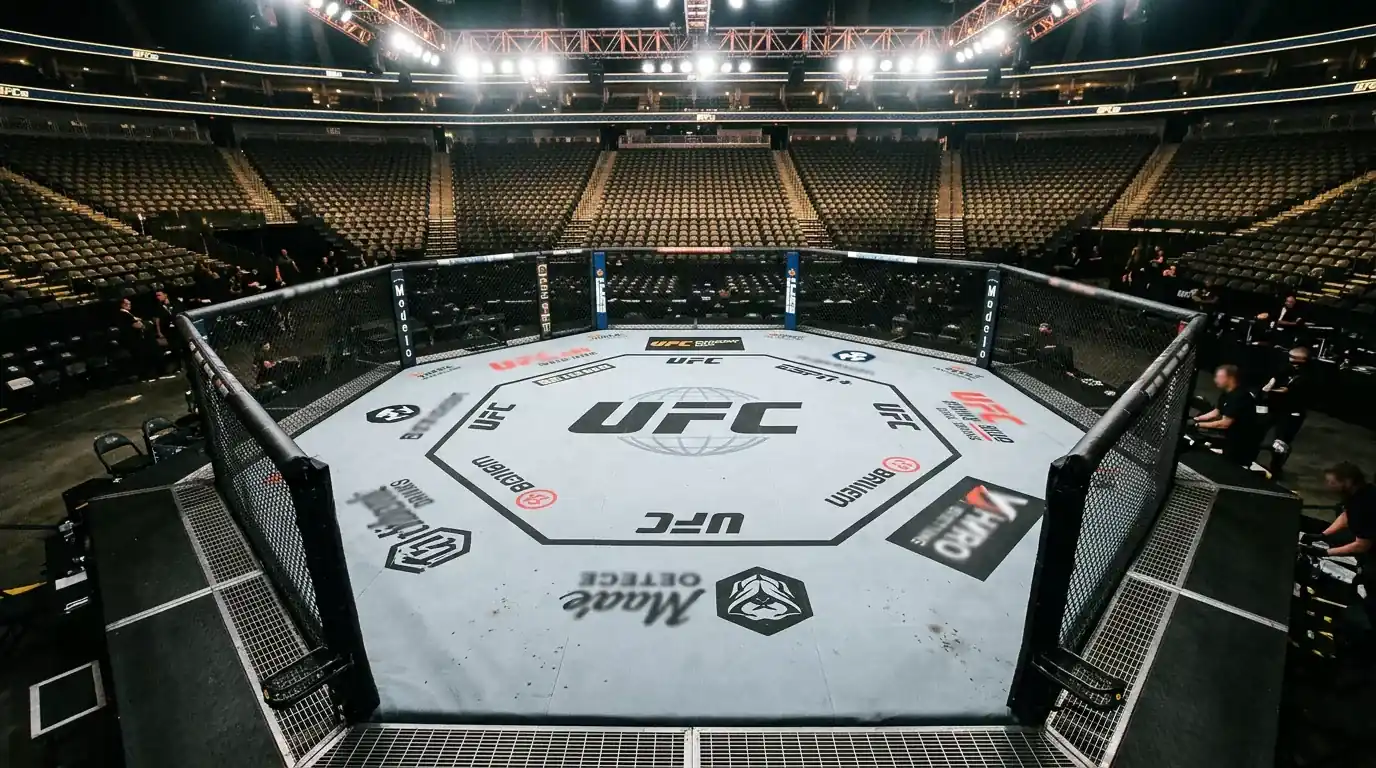
The most visible change for viewers — and bettors — is the integration of live odds into the broadcast itself. During UFC events, odds overlays now appear on screen between rounds, showing real-time moneyline movement and selected prop prices. These overlays are branded by the official betting partner, creating a seamless connection between watching and wagering.
From a betting perspective, in-broadcast odds are a double-edged sword. They increase market participation (which improves liquidity and pricing), but they also increase the volume of casual, uninformed money entering the market during live events. That casual influx creates short-lived pricing inefficiencies between rounds — moments where the live odds overreact to dramatic moments and informed bettors can find value before the market corrects.
I’ve adjusted my live betting approach since broadcast odds integration became standard. The between-round window now includes a burst of casual betting activity driven by the on-screen price display, which temporarily moves the line. Waiting 30-45 seconds after a round ends — letting the casual wave pass — often produces better prices than jumping immediately. It’s a small edge, but small edges compound across 43 events per year.
What Sponsorship Trends Mean for Your UFC Betting Experience
The direction is clear: more betting money flowing into UFC’s commercial ecosystem means more investment in the product that supports betting. Better data infrastructure. More markets on more fights. Faster live odds updates. Enhanced broadcast coverage with integrated analytics. All of these improvements benefit informed bettors directly.
The less obvious implication is economic. Sponsorship revenue, combined with the Paramount media deal and growing network television income, increases UFC’s total revenue — which affects fighter pay, event frequency, and matchmaking quality. A more commercially successful UFC creates a more predictable product: better fighters, more consistent event schedules, and stronger integrity monitoring funded by the growing commercial relationships. For bettors, predictability is the friend of analysis, and analysis is the friend of profit.
There’s a tension worth acknowledging, though. As betting sponsorship becomes a larger share of UFC’s revenue, the organisation’s commercial interests become more tightly aligned with the betting industry. That alignment can be positive — investment in integrity monitoring, for example — but it also means UFC has a financial incentive to create events and matchups that maximise betting engagement, which doesn’t always align with competitive merit. The bettor’s job is to recognise when matchmaking serves commercial objectives (generating casual betting volume on recognisable names) rather than competitive ones (putting the best available fighters against each other), because those scenarios produce different odds dynamics and different value opportunities.
See also: explore broadcast deal effects in our UFC Paramount deal betting impact article.
Frequently Asked Questions
Does UFC sponsor money affect fighter matchmaking?
Indirectly, yes. Higher sponsorship revenue increases UFC’s total commercial value, which incentivises the organisation to create compelling matchups that drive viewership and engagement. Fights that attract larger audiences generate more sponsorship activation value, so commercially attractive matchups — rematches, rivalries, and title fights featuring popular champions — receive priority. This doesn’t mean fights are fixed for commercial reasons, but the commercial incentive structure influences which fights get made.
Why are betting companies investing heavily in UFC sponsorship?
UFC’s audience profile aligns perfectly with betting companies’ target demographics: predominantly male, aged 18-34, mobile-first, and highly engaged with live events. The sport’s near-weekly event calendar provides year-round brand exposure, and the in-play betting product integrates naturally with fight-by-fight viewing. Betting sponsorship is also more cost-efficient in UFC than in more established sports, where sponsorship inventory is more expensive and the audience is more saturated with competing betting brands.
Published by the Betting on ufc Fights team.