MMA Betting Market Growth: From Niche to $10 Billion and What Comes Next
 Available in US
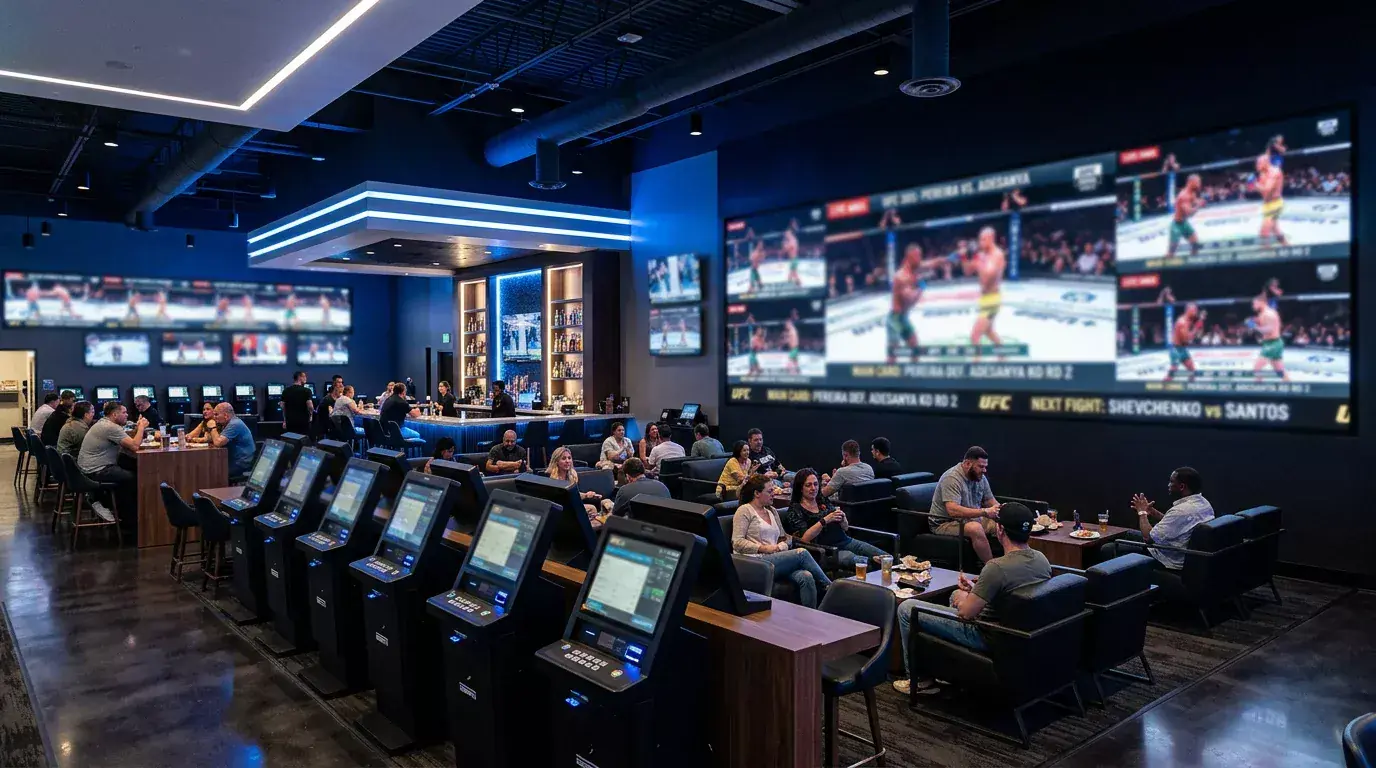
MMA Betting Grew 17% in a Single Year — and the Drivers Are Accelerating
When I started betting on UFC fights 11 years ago, finding a bookmaker that even listed MMA markets was a challenge. The options were sparse, the odds were crude, and the prop markets that now fill my betting week simply didn’t exist. MMA betting handle in the US reached $10.3 billion in 2024 — a 17% increase over the previous year — and the global trajectory is steeper still. What was once a fringe novelty on the sportsbook menu has become one of the fastest-growing betting verticals in the industry.
I’ve watched this transformation from the inside, and the speed of it still surprises me. The question now isn’t whether MMA betting will continue to grow — the structural drivers are too strong for that to be in doubt — but what that growth means for the bettors already in the market and those about to enter it.
See also: visit betting on ufc fights for comprehensive UFC resources.
Current Market Size: Handle, GGR, and Growth Rate
The numbers paint a clear picture of a market in accelerating expansion. The $10.3 billion US handle in 2024 represents the total amount wagered, not the bookmakers’ profit. The combined MMA and boxing betting market is valued at approximately $3.2 billion on a gross gaming revenue basis, with projections reaching $6 billion or more by 2033. UFC’s own GGR has grown at a compound annual rate exceeding 18% over the last five years — a pace that outstrips the overall sports betting market.
To put those numbers in context: the entire UK sports betting market was worth $4.21 billion in 2023. MMA betting globally is approaching that figure in handle alone, and the growth rate suggests it will surpass it within the next few years. The market isn’t small anymore. It’s a major vertical, and it’s being priced and monitored with corresponding seriousness.
For bettors, market growth has dual implications. On the positive side, more money in the market means better odds (competition between operators compresses margins), more markets (operators invest in product depth to capture share), and more liquidity (particularly on exchange platforms where betting volume determines how much you can stake at competitive prices). On the negative side, more money also means sharper lines — professional syndicates enter growing markets, and their activity makes it harder for individual bettors to find mispriced odds.
What Is Driving MMA Betting Growth: Events, Media, and Legalization
Three structural drivers fuel the growth, and all three are intensifying simultaneously. The first is event frequency. The UFC runs 43 events per year — 13 numbered cards plus approximately 30 Fight Nights — giving bettors year-round engagement with minimal off-season. That cadence is unmatched by any other individual sports organisation. The NFL, by comparison, condenses its regular season into 18 weeks plus playoffs, leaving months of dead air for bettors.
The second driver is media access. The $7.7 billion Paramount deal signed in August 2025 moved UFC to CBS broadcast television, dramatically expanding the casual audience. More viewers mean more casual bettors, which increases market volume and — in the short term — market inefficiency, because casual money is less informed than sharp money.
The third driver is geographic legalisation. In the US, state-by-state sports betting legalisation has opened new markets every year since 2018, each adding incremental handle to MMA betting. The UK market was already mature, but the global wave of legalisation creates a growing ecosystem of licensed operators, integrity monitoring infrastructure, and data analytics that benefits all markets — including the UK one.
The Paramount Deal and Its Effect on Betting Volume
The Paramount deal deserves its own analysis because its impact on betting volume is both direct and transformative. UFC 326 on CBS attracted 2.47 million viewers — the best linear television audience for a UFC event in a decade. UFC claims 700 million fans globally and over 330 million social media followers. Converting even a small fraction of that audience into active bettors generates meaningful handle growth.
The mechanism is straightforward: broadcast reach drives awareness, awareness drives engagement, and engagement drives betting. When UFC was behind a paywall (PPV), the betting audience was limited to those willing to pay $75 per event. On free-to-air CBS, every viewer is a potential bettor. The detailed analysis of the Paramount deal’s betting implications covers the volume cascade effect and its UK-specific relevance.
Market Projections Through 2033
The global UFC market is valued at $1.74 billion in 2026, with projections placing it at $2.79 billion by 2033 — a compound annual growth rate of roughly 8%. The betting component of that market is growing faster than the overall figure because betting monetises the existing fan base more deeply rather than requiring new fan acquisition.
See also: explore how fighter earnings affect outcomes in our UFC fighter pay and betting risk guide.
The UK market specifically is projected to reach $5.69 billion in online sports betting by 2029, up from $4.21 billion in 2023. UFC’s share of that market is growing disproportionately as event coverage improves and operator investment deepens. The UK gambling industry’s total gross gaming yield reached £17.2 billion in 2026 across 914 companies — a mature and competitive landscape where growth in any single vertical requires taking share from others. MMA’s ability to grow within that zero-sum environment speaks to the structural strength of the product.
For bettors planning their approach over the next several years, the projection carries a strategic implication. As markets grow and mature, the easy edges disappear first. The mispriced undercards, the sloppy prop odds, the opening-line gifts — all of these are eroded as more capital and more sophistication enter the market. The bettors who build rigorous analytical frameworks now, while edges still exist in meaningful size, will have the skill base and track record to adapt as the market tightens. Those who enter later, after the easy profits are gone, will face a much steeper learning curve against sharper competition.
Frequently Asked Questions
How big is the MMA betting market compared to football?
Football remains the dominant sports betting market globally, with handle many times larger than MMA. However, MMA betting is growing significantly faster — UFC GGR has compounded at over 18% annually versus single-digit growth for established football markets. The gap is narrowing, and MMA is already the largest combat sports betting vertical by a substantial margin.
Is UFC betting growing faster than other combat sports?
Yes. UFC accounts for the vast majority of MMA betting handle, and MMA as a category is growing faster than boxing betting. The combination of UFC’s event frequency, global media distribution, and younger audience demographic drives growth rates that boxing — with its fragmented promotional structure and less frequent event calendar — cannot match.
Created by the ”Betting on ufc Fights” editorial team.